
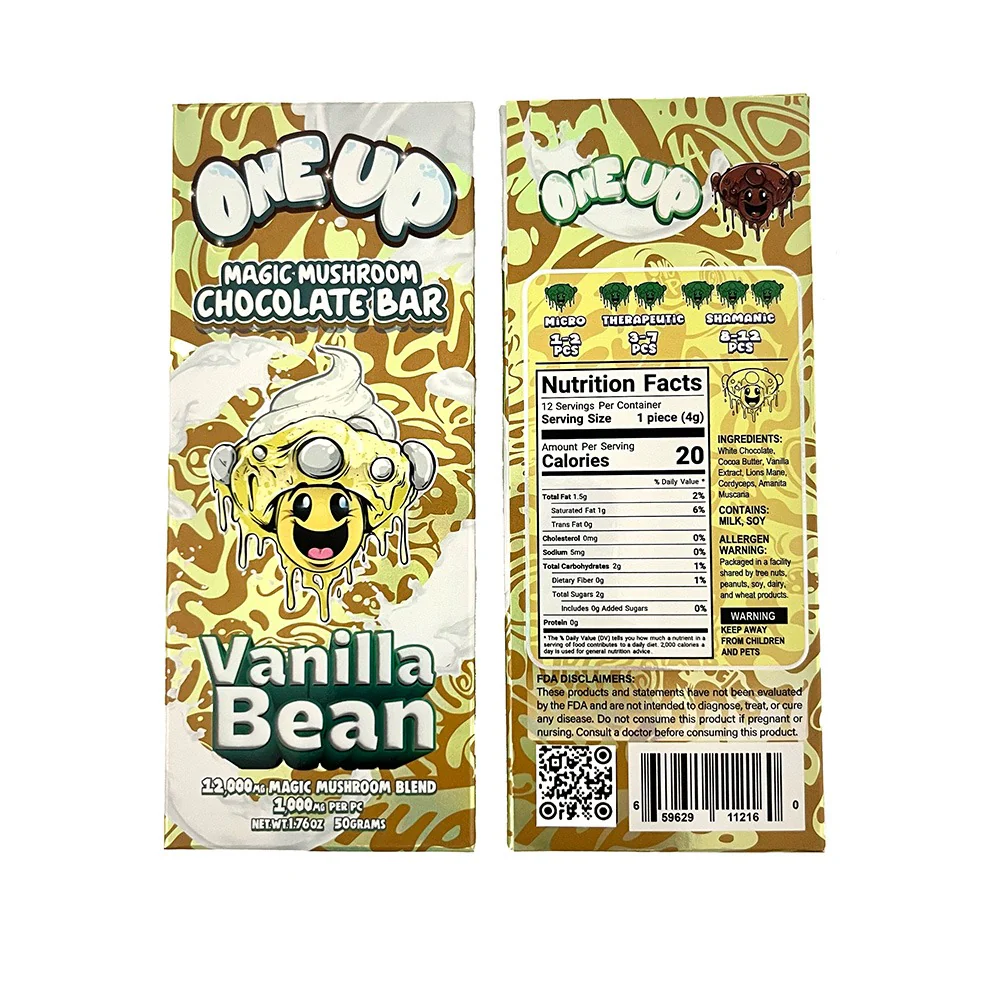
Vanilla Bean: A Comprehensive Overview
Introduction to Vanilla Bean
Vanilla bean is the long, slender fruit of the vanilla orchid, primarily derived from the species Vanilla planifolia. This aromatic pod is highly prized for its complex flavor and fragrance, making it one of the most sought-after spices in the culinary world. The term “vanilla” itself comes from the Spanish word vainilla, meaning “little pod,” which aptly describes the shape of this unique fruit.
Botanical Background
The vanilla orchid belongs to the family Orchidaceae and is native to tropical regions of Mexico and Central America. Among over 150 species of vanilla orchids, V. planifolia is the most commercially significant, accounting for about 90% of global production. Other notable species include V. tahitiensis, known for its floral aroma, and V. pompona, which has a more robust flavor profile.
The vanilla plant grows as a climbing vine that requires support from trees or poles to thrive. It produces beautiful flowers that bloom for only one day, necessitating careful hand pollination to ensure fruit development. This labor-intensive process was revolutionized in 1841 by Edmond Albius, a young slave who discovered an efficient method of hand-pollinating vanilla flowers on Réunion Island.
Cultivation Process
Growing vanilla beans is a meticulous endeavor that demands specific climatic conditions: warm temperatures (ideally between 15°C and 30°C), high humidity (around 80%), and well-drained soil rich in organic matter. The plants are typically cultivated in shaded environments to mimic their natural habitat under forest canopies.
Pollination
As mentioned earlier, successful pollination is crucial for fruit production. In regions outside Mexico where natural pollinators like certain bees are absent, growers must manually pollinate each flower within a narrow window after blooming. This involves lifting a flap on the flower with a small tool and transferring pollen from the anther to the stigma.
Harvesting
Once pollinated, it takes approximately six to nine months for vanilla pods to mature on the vine. The pods are harvested when they turn bright green but before they fully ripen; this timing is critical as overripe pods can split open and lose their quality.
Curing Process
After harvesting, vanilla beans undergo a curing process that enhances their flavor profile significantly:
- Killing: The beans are briefly blanched in hot water or subjected to other methods like freezing or sunlight exposure to halt maturation.
- Sweating: The beans are bundled together and kept in insulated containers for several days at controlled temperatures, allowing enzymatic reactions that develop their characteristic aroma.
- Drying: Beans are then dried in sunlight or shade until they reach an optimal moisture content (around 25-30%). This step locks in flavors while preventing spoilage.
- Conditioning: Finally, cured beans are stored in airtight containers for several months to further enhance their flavor before being graded and sold.
Flavor Profile
The flavor of vanilla beans is complex and varies significantly based on their origin:
- Madagascar Bourbon Vanilla: Known for its rich, creamy flavor with hints of chocolate and spice; it’s often considered the gold standard for quality.
- Tahitian Vanilla: Sweeter than its Madagascar counterpart with fruity notes reminiscent of cherries or licorice; favored by gourmet chefs.
- Mexican Vanilla: Offers a smooth texture with spicy undertones; it has historical significance as one of the original sources of vanilla.
When using whole vanilla beans in cooking or baking, both the seeds and pod contribute distinct flavors—while scraping out the seeds provides immediate intensity, simmering the whole pod infuses dishes with subtler notes.
Culinary Uses
Vanilla beans are incredibly versatile ingredients used across various cuisines worldwide:
- Baking: They enhance desserts such as cakes, cookies, pastries, custards, ice creams, and puddings.
- Savory Dishes: Chefs often incorporate vanilla into sauces for meats like chicken or seafood dishes to add depth.
- Beverages: Vanilla pairs beautifully with coffee, hot chocolate, cocktails, and even some savory soups.
One inch of vanilla bean is generally equivalent to one teaspoon of pure vanilla extract due to its concentrated flavor profile.
Nutritional Value
While primarily valued for their flavor rather than nutritional content, vanilla beans do contain trace amounts of minerals such as calcium, magnesium, phosphorus, and potassium. They also possess antioxidant properties that may help combat oxidative stress within the body.
Storage Tips
To maintain freshness and potency:
- Store unused vanilla beans in an airtight container at room temperature away from direct sunlight.
- Avoid refrigeration as it can lead to mold growth; instead keep them dry but not overly exposed to air.
- If your beans dry out over time, they can be rehydrated by soaking them in warm water or milk before use.
In summary, vanilla bean stands out not only as one of nature’s most exquisite flavors but also as a symbol of culinary artistry that spans cultures worldwide. Its cultivation requires dedication and skill—from hand-pollination through curing—making it second only to saffron in terms of expense among spices. Whether used in sweet confections or savory dishes alike, real vanilla remains unmatched in its ability to elevate flavors while providing an aromatic experience that delights both chefs and home cooks alike.
The journey from flower to flavorful pod encapsulates centuries of agricultural tradition intertwined with cultural significance—a testament to why this little pod continues captivating palates around the globe today.
Be the first to review “Vanilla Bean”
Related products
ONE UP MULTIVERSE CHOCOLATE

ONE UP MULTIVERSE CHOCOLATE
ONE UP MULTIVERSE CHOCOLATE
ONE UP MULTIVERSE CHOCOLATE

ONE UP MULTIVERSE CHOCOLATE

ONE UP MULTIVERSE CHOCOLATE

ONE UP MULTIVERSE CHOCOLATE
ONE UP MULTIVERSE CHOCOLATE
Reviews
There are no reviews yet.