
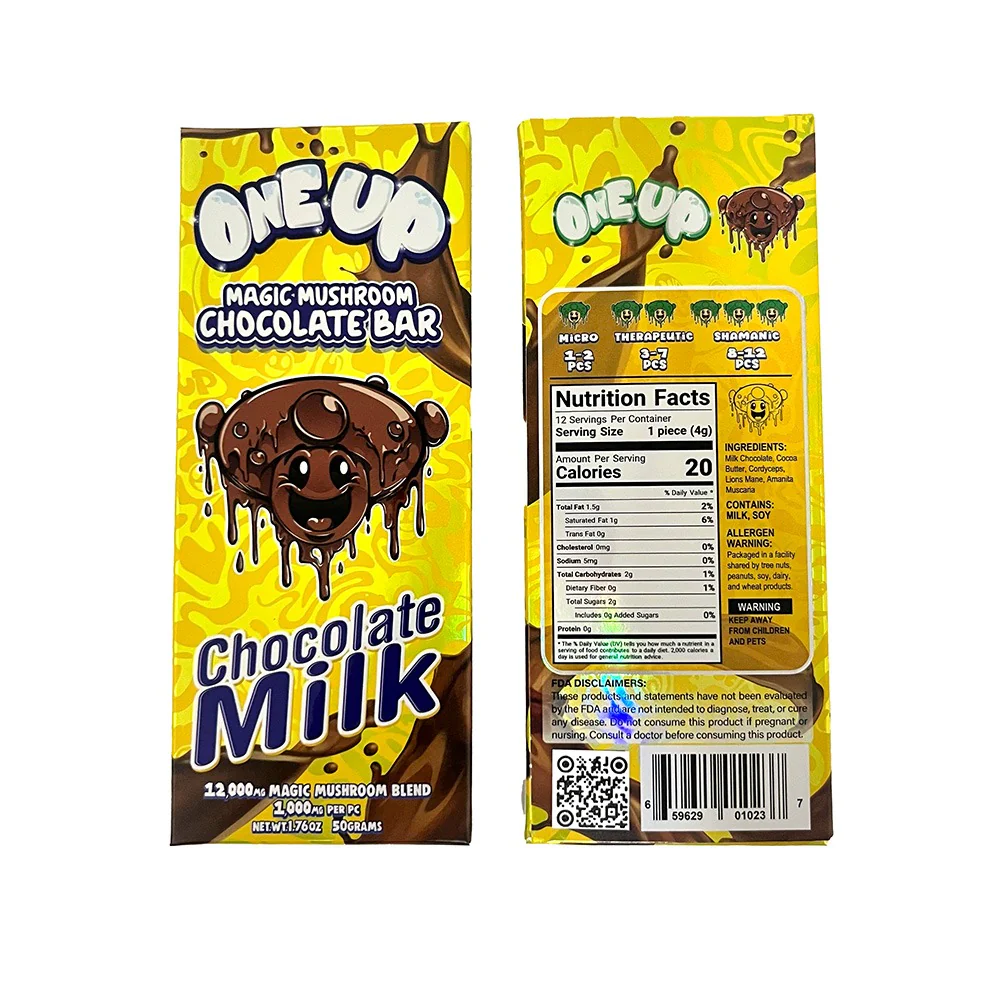

Chocolate Milk: A Comprehensive Overview
Introduction to Chocolate Milk
Chocolate milk is a delicious and popular beverage made by combining cocoa powder or chocolate syrup with milk. This delightful drink has been enjoyed by children and adults alike for generations, serving as both a treat and a source of essential nutrients. The rich flavor of chocolate milk not only satisfies sweet cravings but also provides numerous health benefits, making it a staple in many households.
Historical Background
The origins of chocolate milk can be traced back to the 15th century when the indigenous peoples of the Caribbean began mixing cacao with water. According to historical accounts, Christopher Columbus introduced domesticated cattle to the Caribbean in 1493, which allowed for the incorporation of milk into cacao beverages. By 1494, locals were brewing a hot drink made from cacao shavings mixed with milk and spices like cinnamon
The modern version of chocolate milk is often attributed to Sir Hans Sloane, an Irish botanist who encountered the local cacao drink during his time in Jamaica in the late 17th century. Finding it unpalatable, he decided to mix it with milk and sugar, creating a more enjoyable beverage that he later brought back to Europe. Although Sloane did not invent chocolate milk per se, his refinement of the recipe helped popularize it among European consumers.
Nutritional Profile
Chocolate milk is not just a tasty indulgence; it is also packed with essential nutrients. An 8-ounce serving of chocolate milk typically contains:
- Calories: Approximately 120-206 calories depending on fat content (whole, low-fat, or skim).
- Protein: About 7-8 grams.
- Fat: Ranges from 2.5 grams in skim versions to around 8 grams in whole versions.
- Carbohydrates: Approximately 26-30 grams.
- Sugar: Contains about 24 grams of sugar, including both natural lactose and added sugars.
- Calcium: Provides around 25% of the daily value (DV), crucial for bone health.
- Vitamin D: Often fortified, contributing about 15% DV.
- Potassium: Important for heart health and muscle function
These nutrients make chocolate milk an excellent option for those looking to boost their intake of calcium and vitamin D while enjoying a flavorful beverage.
Health Benefits
Bone Health
One of the primary benefits of chocolate milk is its contribution to bone health. The combination of calcium and vitamin D found in chocolate milk plays a vital role in building and maintaining strong bones. Calcium is essential for developing peak bone mass during childhood and adolescence, while vitamin D helps improve calcium absorption This makes chocolate milk an ideal choice for growing children who need adequate nutrition for healthy development.
Muscle Recovery
Athletes often turn to chocolate milk as a post-workout recovery drink due to its optimal balance of carbohydrates and protein. Research indicates that consuming chocolate milk after exercise can help replenish glycogen stores more effectively than some commercial sports drinks. The typical ratio of carbohydrates to protein in chocolate milk (approximately 3:1) supports muscle repair and recovery after strenuous physical activity. This makes it particularly beneficial for athletes engaged in endurance sports or high-intensity training.
Weight Management
Despite its sweetness, some studies suggest that flavored milks like chocolate may aid in weight management when consumed as part of a balanced diet. The protein content can promote satiety, helping individuals feel fuller longer. Additionally, children who consume flavored milks tend to have better overall nutrient intakes compared to those who do not consume any dairy products at all.
Potential Concerns
While there are many benefits associated with drinking chocolate milk, there are also potential downsides that consumers should consider:
High Sugar Content
One significant concern regarding chocolate milk is its sugar content. Many commercial varieties contain added sugars that can contribute significantly to daily caloric intake. For instance, an average serving may contain up to 24 grams of sugar—much higher than plain low-fat or skimmed cow’s milk. Excessive sugar consumption has been linked to various health issues such as obesity, type 2 diabetes, and dental problems.
Lactose Intolerance
Another consideration is lactose intolerance; many individuals cannot properly digest lactose—the natural sugar found in dairy products—leading to gastrointestinal discomfort when consuming regular chocolate milk. Fortunately, lactose-free options are available that provide similar taste and nutritional benefits without causing digestive issues.
Chocolate Milk Variants
In recent years, various alternatives have emerged within the market catering to different dietary preferences:
- Plant-Based Chocolate Milk: Options made from almond, soy, oat, or coconut milks have gained popularity among those seeking dairy-free alternatives. These plant-based versions often come fortified with similar nutrients found in cow’s milk but may vary significantly in taste and texture.
- Dark Chocolate Milk: Some brands offer dark chocolate variations that contain higher cocoa content but may also include additional sugars.
- Reduced Sugar Versions: Many manufacturers now produce lower-sugar options designed specifically for health-conscious consumers while still retaining the classic flavor profile.
Chocolate milk remains a beloved beverage enjoyed by people worldwide due to its rich taste and nutritional benefits. Whether consumed as part of breakfast or used as a post-exercise recovery drink, it offers essential nutrients like calcium and vitamin D while providing hydration after physical activity.
However, moderation is key; being mindful of added sugars will help ensure that this delightful drink contributes positively rather than negatively toward overall health goals. With various options available today—from traditional dairy-based varieties to innovative plant-based alternatives—everyone can find their perfect match within this versatile beverage category.
Be the first to review “Chocolate Milk”
Related products

ONE UP MULTIVERSE CHOCOLATE

ONE UP MULTIVERSE CHOCOLATE
ONE UP MULTIVERSE CHOCOLATE

ONE UP MULTIVERSE CHOCOLATE

ONE UP MULTIVERSE CHOCOLATE

ONE UP MULTIVERSE CHOCOLATE

ONE UP MULTIVERSE CHOCOLATE

ONE UP MULTIVERSE CHOCOLATE
Reviews
There are no reviews yet.