
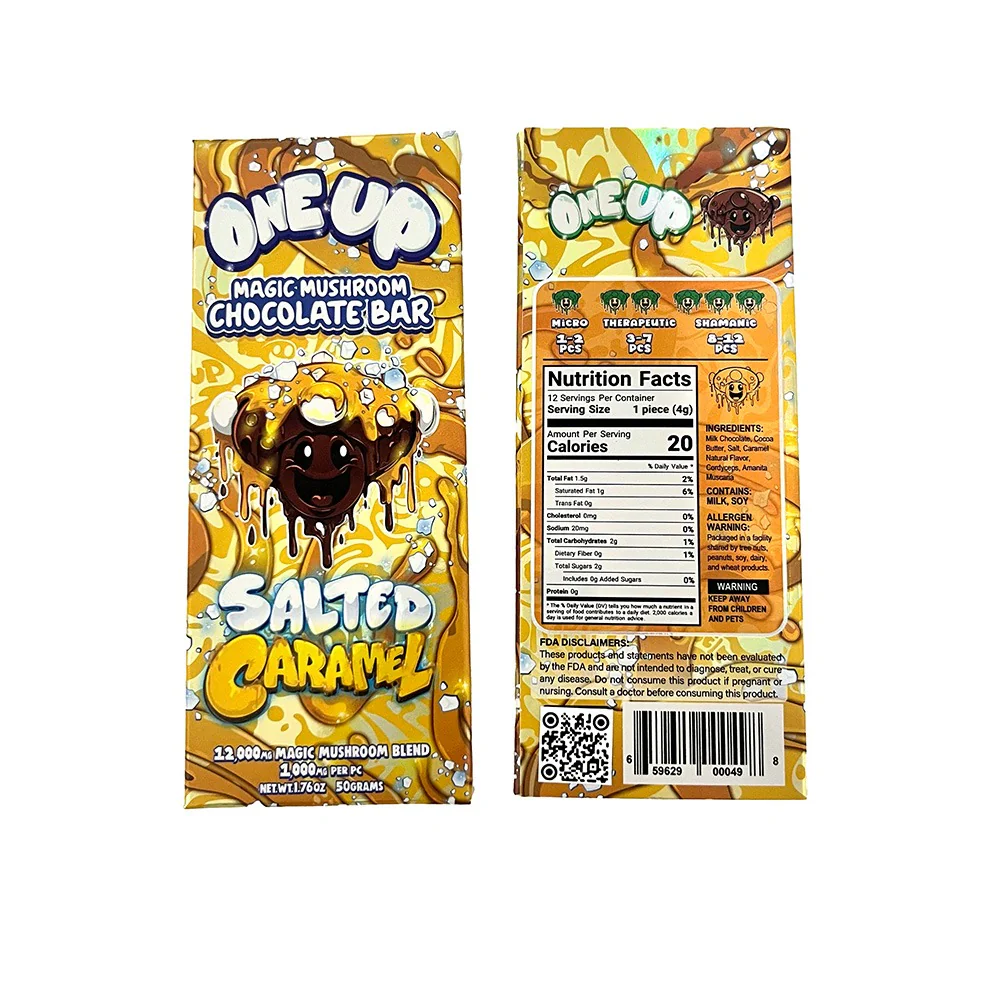

Salted Caramel: A Sweet and Savory Delight
Introduction to Salted Caramel
Salted caramel is a culinary phenomenon that has captured the hearts and taste buds of dessert lovers around the world. This delightful concoction marries the rich, buttery sweetness of traditional caramel with a hint of salt, creating a flavor profile that is both complex and satisfying. The contrast between sweet and salty not only enhances the overall taste but also elevates various desserts, making salted caramel a versatile ingredient in modern cuisine.
The Origins of Salted Caramel
The origins of salted caramel can be traced back to Brittany, France, where it was first popularized by pastry chef Henri Le Roux in 1977. He created a salted butter caramel known as “caramel au beurre salé,” which quickly gained acclaim for its unique flavor combination. This innovative treat was awarded the title of “Best Confectionery in France” at the Paris Salon International de la Confiserie in 1980. Since then, salted caramel has evolved from a regional specialty into a global sensation, finding its way into ice creams, chocolates, sauces, and an array of desserts.
The Science Behind Salted Caramel
Understanding how salted caramel is made involves delving into the science of sugar and its transformation during cooking. Caramelization occurs when sugar is heated to approximately 170 °C (340 °F). As the sugar melts, it undergoes chemical changes that produce new compounds responsible for its characteristic color and flavor. The addition of salt at various stages can enhance these flavors by balancing sweetness and adding depth.
When salt is introduced to caramel, it interacts with our taste receptors in a way that heightens our perception of sweetness without overwhelming it. This phenomenon is known as “hedonic escalation,” where the combination of flavors creates an addictive quality that keeps people coming back for more.
Making Salted Caramel at Home
Creating your own salted caramel sauce at home is surprisingly simple and requires just a few key ingredients:
- Granulated Sugar: The primary ingredient that will undergo caramelization.
- Butter: Adds richness and creaminess to the sauce.
- Heavy Cream: Provides a smooth texture and balances the sweetness.
- Sea Salt: Enhances flavor; high-quality sea salt is recommended for best results.
- Optional Flavorings: Vanilla extract or other flavorings can be added for extra depth.
Step-by-Step Instructions
- Prepare Your Ingredients: Measure out all ingredients before starting. This ensures you have everything ready since the process moves quickly once you begin cooking.
- Melt the Sugar: In a medium saucepan over medium heat, add granulated sugar. Stir constantly until it begins to melt and turn golden brown. Be cautious not to let it burn.
- Add Butter: Once the sugar has melted completely and reached an amber color, add unsalted butter. Stir until fully melted.
- Incorporate Heavy Cream: Slowly pour in heavy cream while whisking continuously; this will cause bubbling but helps create a smooth sauce.
- Season with Salt: Remove from heat and stir in sea salt to taste. Allow cooling before transferring to storage containers.
- Storage: Store your homemade salted caramel sauce in an airtight container in the refrigerator for up to two weeks.
Uses for Salted Caramel
The versatility of salted caramel makes it an excellent addition to various dishes:
- Dessert Toppings: Drizzle over ice cream sundaes, brownies, or cheesecakes for an indulgent treat.
- Baking Ingredient: Incorporate into cake batters or frosting recipes for added flavor complexity.
- Coffee Enhancer: Add a spoonful to your morning coffee or latte for a sweet twist on your caffeine fix.
- Savory Dishes: Experiment by using salted caramel as a glaze for roasted vegetables or meats; its sweet-salty balance can elevate savory dishes remarkably well.
Popularity in Modern Cuisine
In recent years, salted caramel has become ubiquitous across dessert menus worldwide—from gourmet restaurants to local cafes—reflecting its widespread appeal among consumers seeking unique flavors. Major brands like Häagen-Dazs have embraced this trend by offering products such as salted caramel ice cream, further solidifying its status as a beloved flavor choice.
Moreover, social media platforms have played an essential role in promoting salted caramel recipes through visually appealing images shared by food bloggers and enthusiasts alike. This exposure has led many home cooks to experiment with their variations on this classic recipe.
Salted caramel represents more than just another trendy dessert; it embodies creativity within culinary arts while showcasing how simple ingredients can transform into something extraordinary when combined thoughtfully. Its rich history rooted in French confectionery culture adds depth to its allure today—a testament that great flavors transcend borders over time!
Be the first to review “one up Salted Caramel”
Related products

ONE UP MULTIVERSE CHOCOLATE

ONE UP MULTIVERSE CHOCOLATE
ONE UP MULTIVERSE CHOCOLATE

ONE UP MULTIVERSE CHOCOLATE

ONE UP MULTIVERSE CHOCOLATE

ONE UP MULTIVERSE CHOCOLATE

ONE UP MULTIVERSE CHOCOLATE

ONE UP MULTIVERSE CHOCOLATE
Reviews
There are no reviews yet.