
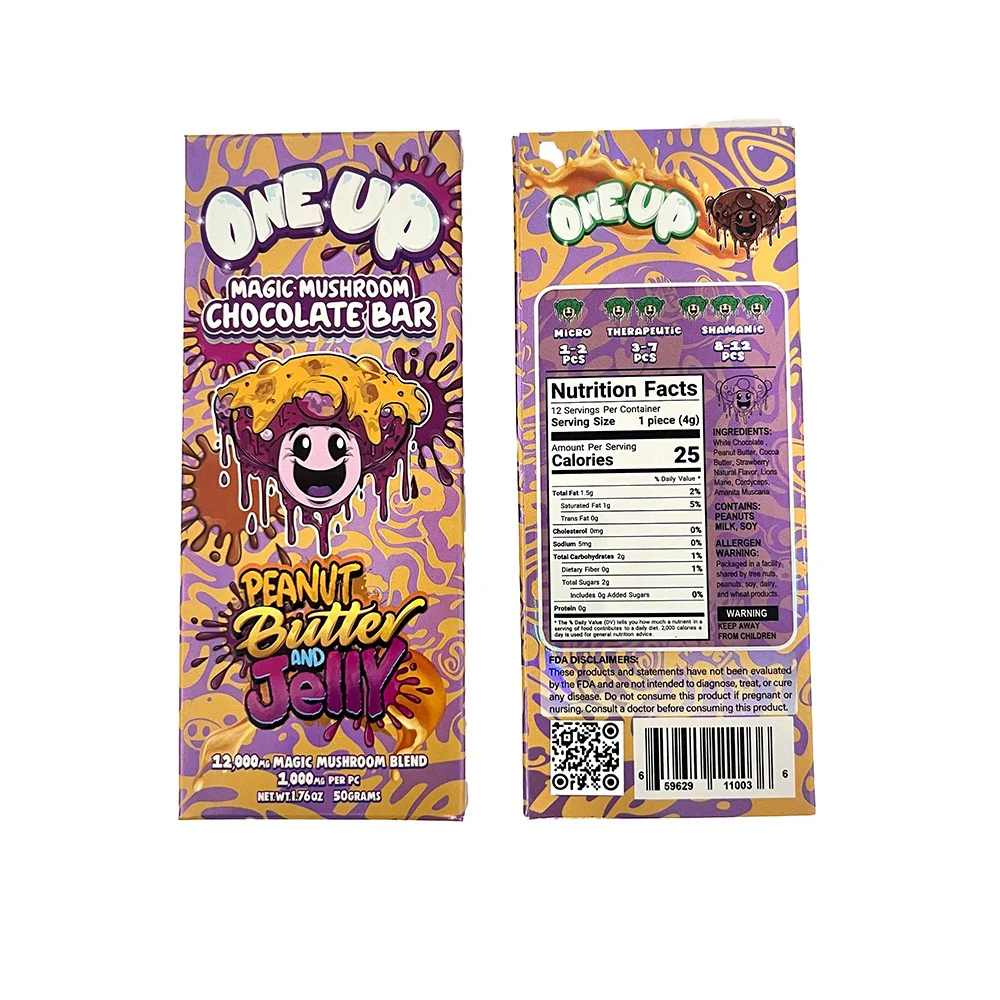

Peanut Butter and Jelly Sandwich: A Comprehensive Description
Introduction
The peanut butter and jelly sandwich, commonly referred to as PB&J, is a quintessential American food that has become a staple in households across the United States. This simple yet delicious sandwich consists of two primary ingredients: peanut butter and jelly (or jam), spread between slices of bread. Its popularity is not only due to its delightful taste but also its convenience, nutritional value, and cultural significance.
Historical Background
The origins of the peanut butter and jelly sandwich can be traced back to the early 20th century. Peanut butter itself has a rich history, with roots going back to ancient civilizations such as the Incas and Aztecs, who ground peanuts into a paste. However, it was not until the late 19th century that peanut butter began to gain popularity in the United States. The first known reference to a peanut butter and jelly sandwich appeared in 1901 in the Boston Cooking School Magazine, where it was described as a combination of “peanut paste” and fruit preserves.
The rise of this sandwich’s popularity coincided with several key developments in food production and consumption. The invention of pre-sliced bread in the 1920s made it easier for people to prepare sandwiches quickly. Additionally, during World War II, both peanut butter and jelly were included in soldiers’ rations, further solidifying their place in American cuisine. After the war, returning soldiers brought their love for PB&J home, leading to its widespread acceptance among families.
Ingredients
A classic peanut butter and jelly sandwich typically requires just three main ingredients:
- Bread: While white bread is often used due to its soft texture and mild flavor, whole grain or multigrain breads are also popular choices for those seeking healthier options.
- Peanut Butter: This creamy or chunky spread is made from ground roasted peanuts. It is rich in protein and healthy fats, making it a filling addition to any meal.
- Jelly or Jam: Jelly is made primarily from fruit juice combined with sugar and pectin, while jam contains crushed fruit along with sugar. Common flavors include grape, strawberry, raspberry, and apricot.
Preparation Method
Making a peanut butter and jelly sandwich is straightforward:
- Gather Ingredients: Start by gathering your ingredients—two slices of bread, peanut butter, jelly or jam, a knife for spreading, and optionally a plate for assembly.
- Spread Peanut Butter: Using the knife, take an ample amount of peanut butter from the jar and spread it evenly over one slice of bread.
- Spread Jelly: Clean off the knife or use another one to scoop out some jelly or jam from its jar. Spread this over the second slice of bread.
- Assemble: Carefully place the slice with jelly on top of the slice with peanut butter so that they stick together.
- Cut (Optional): Some people prefer their sandwiches cut into halves or quarters for easier handling.
- Serve: Enjoy immediately or pack it for lunch!
Nutritional Value
A typical peanut butter and jelly sandwich provides a balanced mix of macronutrients:
- Calories: A standard PB&J made with two slices of white bread (each about 70 calories), two tablespoons of peanut butter (approximately 190 calories), and two tablespoons of grape jelly (around 100 calories) totals about 403 calories.
- Protein: Peanut butter contributes significantly to protein intake—about 8 grams per serving—making this sandwich a good source of energy.
- Fats: Most fats found in peanut butter are healthy unsaturated fats which are beneficial for heart health.
- Carbohydrates: The carbohydrates primarily come from bread and sugar in jelly; however, whole grain options can provide additional fiber.
Variations
While the traditional PB&J remains beloved by many, there are numerous variations that cater to different tastes:
- Nut Butters: Almond butter or cashew butter can be used instead of traditional peanut butter for those with allergies or different flavor preferences.
- Fruit Spreads: Instead of conventional jellies or jams, fresh fruits like banana slices can add natural sweetness.
- Add-ins: Some people enjoy adding honey for extra sweetness or sprinkling chia seeds on top for added nutrition.
- Toasted Versions: Toasting the bread before assembling creates a warm version that enhances flavors through caramelization.
Cultural Significance
The PB&J sandwich holds significant cultural importance in America:
- Childhood Memories: For many Americans growing up in households where this sandwich was common lunch fare evokes nostalgia associated with childhood lunches at school.
- Affordability & Accessibility: The affordability of its ingredients makes it accessible across various socioeconomic backgrounds; it’s often seen as an economical meal option.
- Symbolic Representation: The PB&J has become emblematic of American culture itself—a representation of simplicity combined with comfort food values.
.
Be the first to review “Peanut Butter and Jelly”
Related products

ONE UP MULTIVERSE CHOCOLATE
ONE UP MULTIVERSE CHOCOLATE
ONE UP MULTIVERSE CHOCOLATE

ONE UP MULTIVERSE CHOCOLATE

ONE UP MULTIVERSE CHOCOLATE
ONE UP MULTIVERSE CHOCOLATE
ONE UP MULTIVERSE CHOCOLATE
ONE UP MULTIVERSE CHOCOLATE
Reviews
There are no reviews yet.