
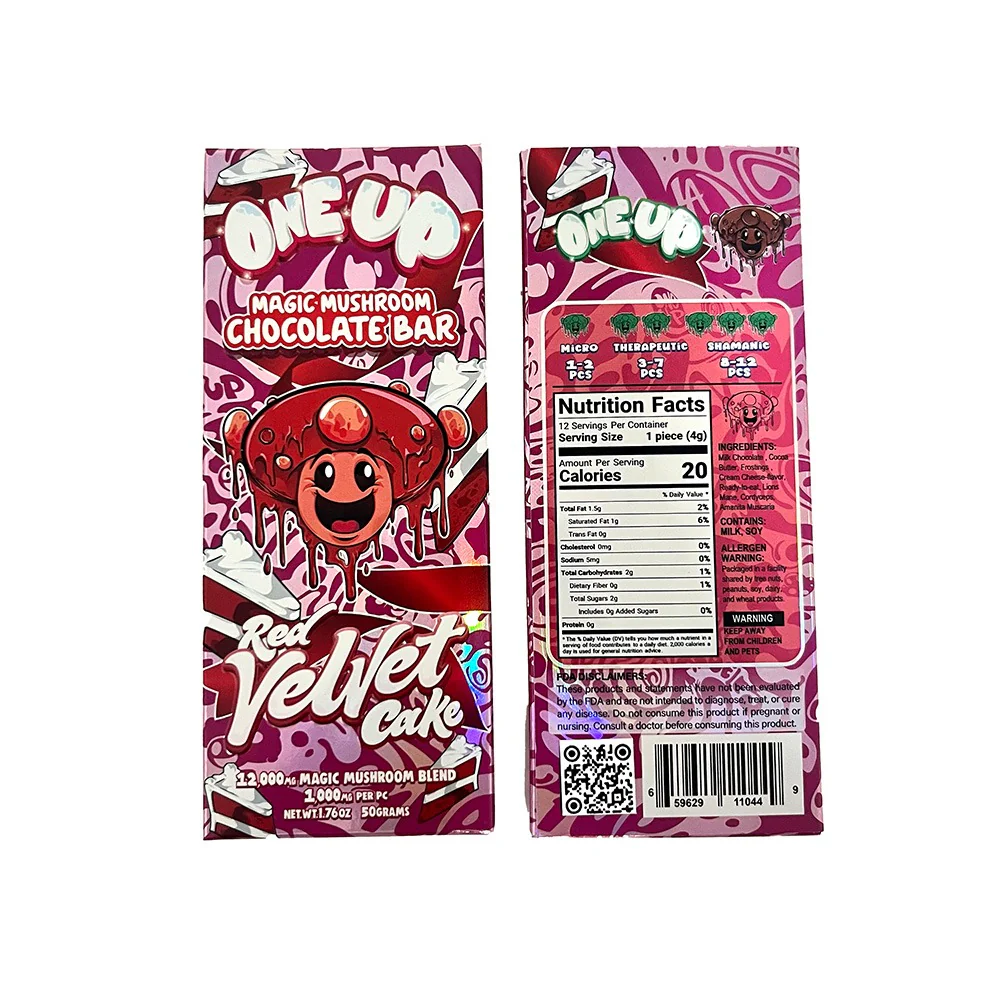

Red Velvet Cake: A Culinary Delight
Introduction to Red Velvet Cake
Red velvet cake is a strikingly beautiful dessert known for its vibrant red color and rich, velvety texture. This iconic cake has become a staple in American baking, particularly in the Southern United States, where it is often associated with celebrations and special occasions. The combination of cocoa powder, buttermilk, and vinegar gives this cake its unique flavor profile, while the cream cheese frosting adds a tangy sweetness that perfectly complements the cake’s moist crumb.
Historical Background
The origins of red velvet cake are somewhat murky, with various theories surrounding its creation. Some food historians trace its roots back to the Victorian era when “velvet” cakes were popularized due to their soft texture achieved through specific ingredient combinations. The term “velvet” referred to the fine crumb and smooth mouthfeel of these cakes.
In the early 20th century, recipes for chocolate cakes began to emerge that included buttermilk and cocoa powder, which could produce a naturally reddish hue due to chemical reactions between the ingredients. However, it wasn’t until the 1920s that red velvet cake gained widespread popularity, particularly after being featured at New York City’s Waldorf-Astoria Hotel. The hotel claims to have developed its own version of the recipe, which helped cement red velvet cake’s status as a classic American dessert.
Ingredients That Make It Special
The primary ingredients in red velvet cake include:
- All-Purpose Flour: Provides structure and stability.
- Cocoa Powder: Adds a subtle chocolate flavor without overpowering the other ingredients.
- Buttermilk: Contributes moisture and a slight tanginess; it also reacts with baking soda for leavening.
- Vegetable Oil or Butter: Ensures a moist texture; oil typically yields a softer crumb.
- Eggs: Bind the ingredients together and provide richness.
- Vinegar: Enhances the acidity in the batter, reacting with baking soda to create lift while also contributing to the cake’s characteristic flavor.
- Red Food Coloring: Traditionally used to achieve that iconic deep red color; modern recipes often use less than older versions due to health concerns about artificial dyes.
Flavor Profile
Red velvet cake is often described as having a mild cocoa flavor combined with hints of vanilla and buttermilk. The addition of vinegar provides an unexpected tang that balances out the sweetness of both the cake and frosting. This unique combination makes red velvet cake distinct from other chocolate or vanilla cakes.
While some may argue that red velvet simply tastes like vanilla or chocolate cake tinted red, true aficionados appreciate its complex flavor profile that sets it apart from more conventional desserts. The subtlety of cocoa allows for other flavors—like vanilla from both extract and frosting—to shine through without overwhelming sweetness.
Preparation Techniques
Making red velvet cake involves several key steps that ensure its signature texture:
- Creaming Method: Begin by creaming together sugar with either butter or oil until light and fluffy. This process incorporates air into the batter, helping it rise during baking.
- Mixing Dry Ingredients: In a separate bowl, whisk together flour, cocoa powder, baking soda, and salt. This ensures even distribution of dry ingredients throughout the batter.
- Combining Wet Ingredients: Mix buttermilk with eggs, vinegar, and food coloring before gradually adding this mixture into your creamed butter/sugar mixture.
- Incorporating Dry Ingredients: Alternate adding dry ingredients with wet ones into your batter while mixing on low speed until just combined—overmixing can lead to tough cakes.
- Baking: Pour your batter into prepared pans (usually round) and bake at around 350°F (175°C) until a toothpick inserted comes out clean—typically 25–30 minutes depending on pan size.
- Cooling & Frosting: Allow cakes to cool completely before frosting them with cream cheese icing or ermine icing—a traditional choice that adds richness without being overly sweet.
Frosting Options
The most popular frosting for red velvet cake is cream cheese frosting due to its creamy texture and tangy flavor profile that pairs beautifully with the sweetness of the cake itself. To make cream cheese frosting:
- Beat softened cream cheese with unsalted butter until smooth.
- Gradually add powdered sugar while mixing on low speed.
- Finish by incorporating vanilla extract for added flavor.
Some bakers prefer using ermine icing—a cooked frosting made from flour and milk—which offers a lighter alternative while still providing that classic taste pairing well with red velvet’s flavors.
Cultural Significance
Red velvet cake has transcended mere dessert status; it has become an emblematic dish in American culture often associated with celebrations such as birthdays, weddings, Christmas gatherings, Valentine’s Day events—and even Juneteenth celebrations within African-American communities where it holds historical significance as part of culinary heritage despite not being exclusively tied to any one culture.
Its appearance in popular media—most notably in films like Steel Magnolias—has further solidified its place within American culinary lore as something more than just food; it’s an experience steeped in nostalgia for many who grew up enjoying this delightful treat at family gatherings or special occasions.
Variations on Tradition
While traditional recipes remain beloved by many bakers today there are numerous variations available including gluten-free options using alternative flours like almond flour or coconut flour instead of all-purpose flour; vegan adaptations replacing eggs/milk products entirely; even creative twists such as incorporating beet juice instead of artificial dye for natural coloring!
Additionally modern interpretations have led chefs experimenting beyond classic layer cakes into cupcakes brownies pancakes cookies ice creams lattes teas waffles popsicles—and even cocktails! These innovations showcase how versatile this iconic dessert can be while still retaining core elements making it recognizable across different formats!
Conclusion
In conclusion Red Velvet Cake stands out not only because of its stunning visual appeal but also due largely thanks intricate balance between flavors textures techniques involved creating perfect slice every time! Whether enjoyed at festive gatherings shared among loved ones savored quietly alone—it remains timeless testament artistry behind baking deliciousness
Be the first to review “one up Red Velvet Cake”
Related products
ONE UP MULTIVERSE CHOCOLATE

ONE UP MULTIVERSE CHOCOLATE

ONE UP MULTIVERSE CHOCOLATE
ONE UP MULTIVERSE CHOCOLATE

ONE UP MULTIVERSE CHOCOLATE
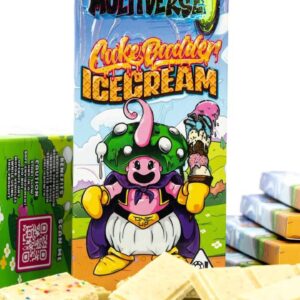
ONE UP MULTIVERSE CHOCOLATE
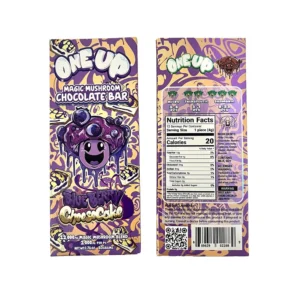
ONE UP MULTIVERSE CHOCOLATE

ONE UP MULTIVERSE CHOCOLATE
Reviews
There are no reviews yet.